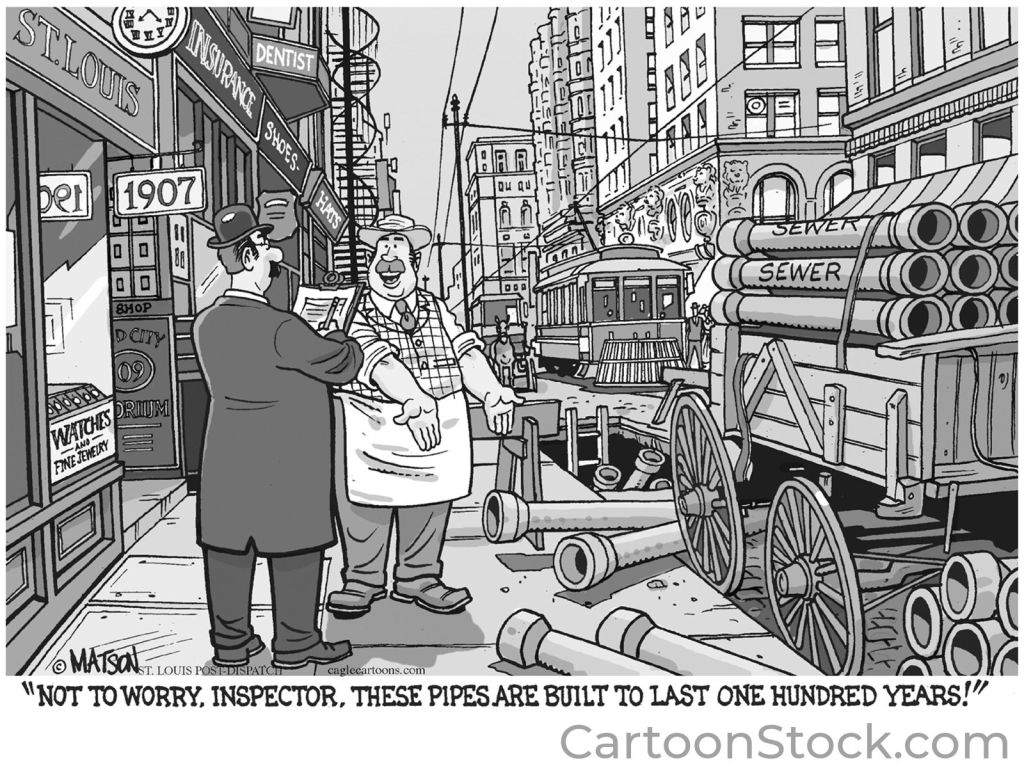
Four or five generations ago, when cities were being built, the people building them had three possible ways of installing pipes.
Cheap, difficult to maintain, and pretty.
Cheap, easy to maintain, and pretty ugly.
Expensive, easy to maintain, and pretty.
So they buried bare pipes under the streets, where leaks couldn’t be detected. If a problem did appear (often in the form of a sinkhole or a geyser) on the street, the street had to be dug up, the pipe fixed, and the street re-paved.
Option 1.
Several generations profited from this as property values rose. Owners bought and sold and the pipes were forgotten and not maintained. Given their location and the growth of the street above them, it would have been difficult and expensive to do anything with them.
Option 2 would have put the pipes above ground, running them through little tunnels to cross streets. Leaks would have been easily detected, isolated, and corrected, but this is not the way it is done. Why not? asks the engineer in me, but I know that one too.
Option 3 would be tunnels under the streets and around the pipes. Damned expensive.
So, who made the profits from not doing the maintenance? Who got extra money by stealing from future generations?
Not, for the most part, the current owners. They’re the folks stuck holding the bag. Some are heirs to the profiteers, but many are house-poor recent arrivals. There is no sympathy here; there is much more wrong with the housing “market” than council rates and infrastructure, but understanding this is essential.
RUST NEVER SLEEPS!
The second law of thermodynamics tells us that entropy always increases, or, as the header says, rust never sleeps. This is a law of the universe. It means that when we build something or buy something, it only retains its value to the extent that we add work to maintain it.
That means the more stuff we have, the more infrastructure we build, the less money we have to spend on new stuff – because we have to maintain all that old stuff. We were never as wealthy as many of us think we are.
Councils should have had an 80-year replacement schedule for digging up streets and replacing pipes constantly, to replace ALL the pipes over a span of about 60-80 years before they are likely to fail. They have always been responsible for this infrastructure.
Rates should have been kept high enough to continue that maintenance over the years, but we pressured councils to keep rates low, largely by unelecting them.
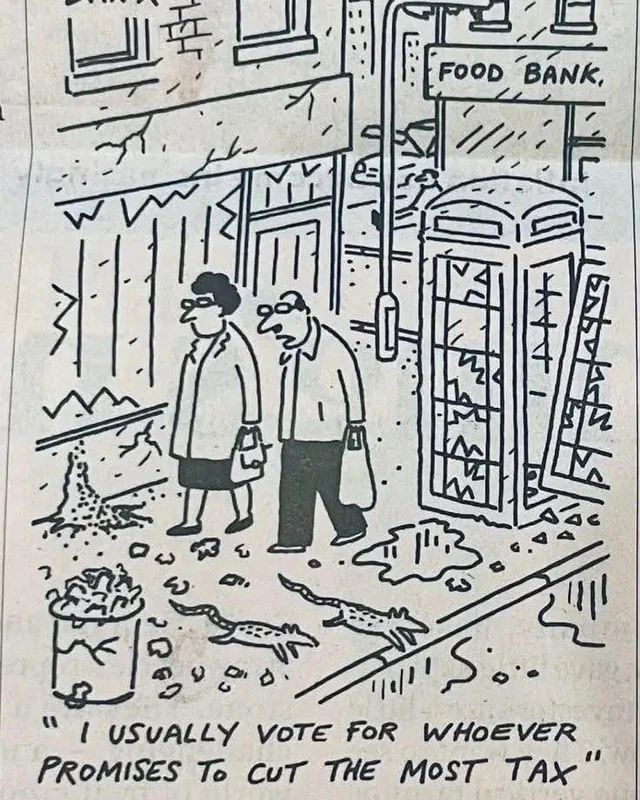
Now, with century-old pipes failing faster than we can do anything about them (apart from setting up road cones), the chickens are home to roost. Basically, we have to replace all the pipes—at once.
Who Pays?
The only people the council can turn to are the current owners or the current government. Most of the wealth has already been extracted, and it is in the hands of the wealthy, possibly not even in this country. The councils got no help from the current government, which means that the current owners are the ones who have to pay the bill. Council rates increases of 20% are likely to be commonplace as a result and likely as not, still less than what is needed.
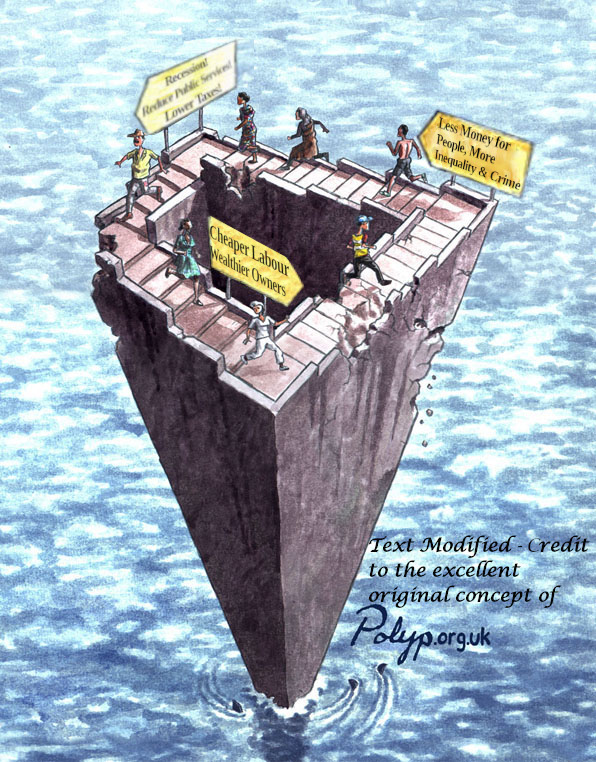
The correct response is, in part, to tax the nation’s wealthy in some manner to recover some of that extracted money and put it into rebuilding the neglected infrastructure.
But the other part of this answer is that the money the nation spends is not limited by the amount of tax it takes in. The nation is the issuer of a sovereign currency, and MMT applies to it. MMT does NOT apply to the council, so the council has to either raise rates or be empowered to issue its own money to pay for work that must be done.
We have to fix the pipes; there is no plan B, any more than there is a planet B for the climate problem.
Should councils have spent money on maintenance instead of stadiums and new facilities? Yes, they should have, but no council that did so would remain in office past the next election.
Councils that raise rates to fix invisible problems (the pipes are buried underground) are unelectable in the existing anti-government, anti-tax environment. This, combined with media disinterest in mundane maintenance, makes democracy much less useful than it ought to be.
 Making Money Real
Leave a comment